
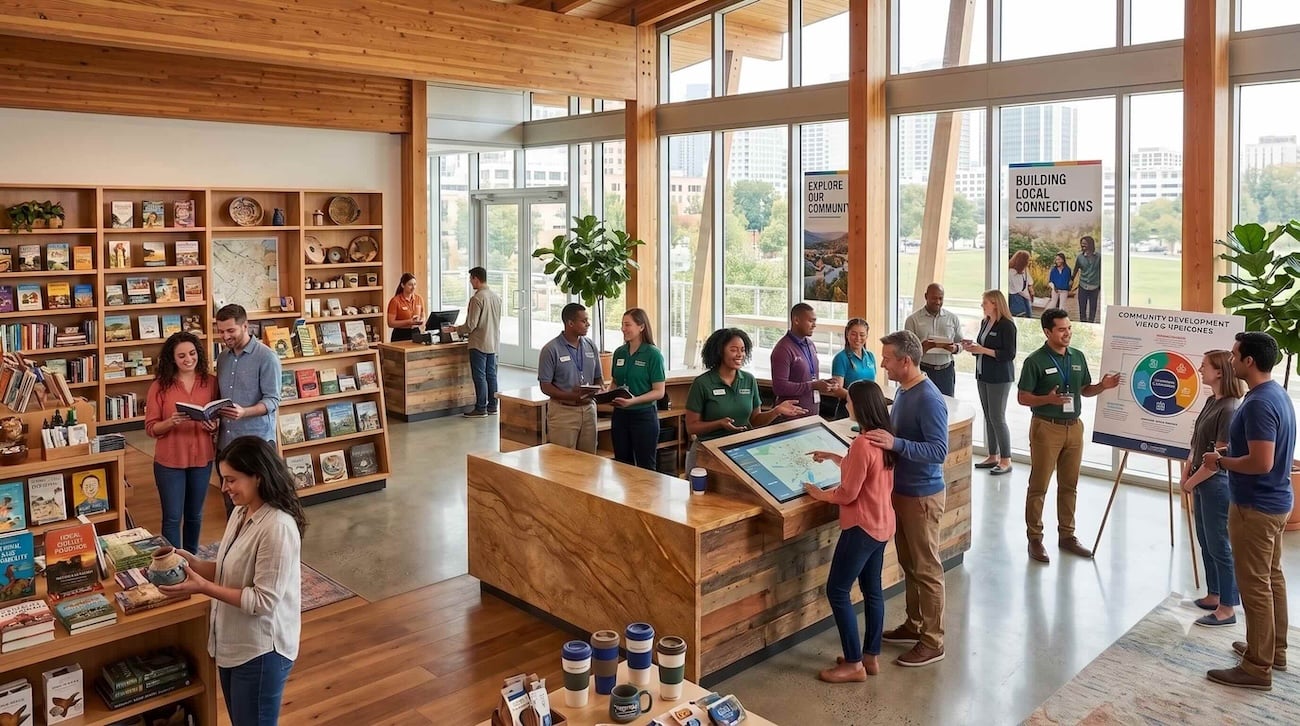
How investing in people strengthens communities, builds local pride, supports advocacy, and creates better visitor experiences.
Social Impact Doesn't Just Happen. It's Designed. Most destination organizations don't think of their tourism ambassador program as a social impact initiative. They should.
When destination organizations talk about social impact, the conversation often centers around sustainability initiatives, accessibility improvements, workforce development, resident engagement, or community partnerships. Those efforts matter, but one of the most overlooked social impact strategies may already exist inside the organization. It's the tourism ambassador program.
Too often, ambassador programs are viewed as hospitality or customer service initiatives designed to help people answer visitor questions and recommend local attractions. Those outcomes are important, but they're only part of the story. The strongest ambassador programs don't simply prepare people to welcome visitors. They intentionally strengthen the relationship between residents, businesses, community organizations, and the destination itself.
Social impact isn't something measured only after a project is complete. It's something intentionally designed by investing in people.
What Is Social Impact?
Social impact is the positive effect an organization has on the people and communities it serves. For destinations, that means creating long-term value that extends beyond visitor spending, hotel occupancy, or overnight stays. While economic impact measures what tourism contributes financially, social impact helps us understand how tourism strengthens communities and improves quality of life. It asks a different set of questions.
-
Are residents proud to share their community?
-
Do local businesses feel connected to the destination's mission?
-
Are visitors welcomed by knowledgeable, confident people who genuinely care about where they live?
-
Is tourism creating stronger relationships between organizations, neighborhoods, businesses, and community leaders?
These are outcomes that can't always be measured in dollars, but they have a lasting influence on how a destination grows and how people experience it. For destination organizations, social impact includes:
- Building community pride
- Strengthening relationships between residents and visitors
- Supporting local businesses
- Increasing civic engagement
- Developing future leaders
- Encouraging collaboration across organizations
- Creating a stronger sense of belonging
These outcomes don't happen by accident. They require intentional investment in people. A well-designed ambassador program doesn't simply teach someone how to answer visitor questions or recommend local attractions. It helps participants better understand their community, appreciate the role tourism plays in supporting local economies, connect with businesses and organizations they may not have known before, and become more confident advocates for the places they call home.
When organizations intentionally develop people, they're creating more than knowledgeable ambassadors. They're building stronger relationships, stronger communities, and stronger destinations. That's social impact by design.
Every Ambassador Program Is Really a Community Development Program
At its best, a tourism ambassador program does far more than teach people how to welcome visitors. Participants learn the stories behind their community. They discover local businesses they've never visited. They better understand the economic, cultural, and social value of tourism. They meet people from different industries, organizations, and neighborhoods. Locals begin seeing beyond their individual roles, and understand the collective power they share with others to make their region more resilient, sustainable, and successful.
That's much bigger than customer service training. It's community capacity building.
The result isn't simply more knowledgeable ambassadors. It's more informed residents, stronger advocates, and a community that's better prepared to welcome visitors while supporting one another.
Social Impact Happens One Conversation at a Time
Every visitor interaction shapes how someone remembers a destination, but those conversations don't only happen at visitor centers.
They happen in:
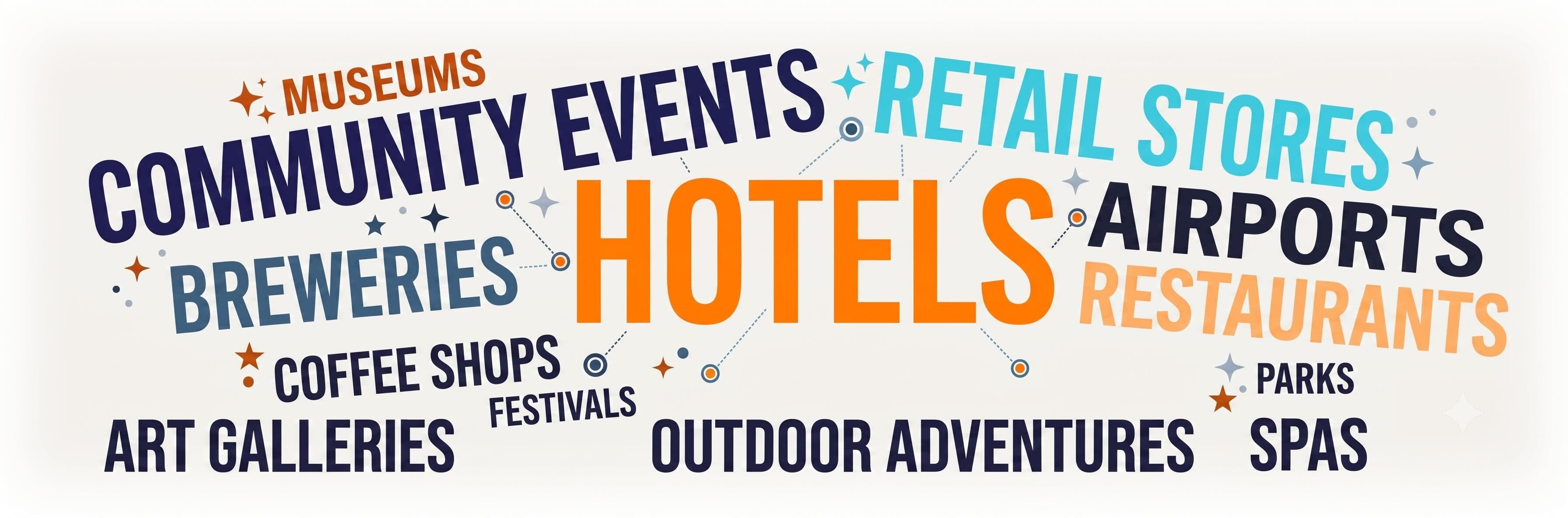
Every one of those conversations influences not only the visitor experience but also how residents feel about sharing their community with others. Great destinations recognize that resident experience and visitor experience are deeply connected. When one improves, the other often improves as well. When people understand the destination story, they're more confident telling it. When they feel connected to their community, they're more likely to support tourism. And when businesses, nonprofits, local governments, and residents begin telling similar stories, destinations become stronger from the inside out.
That's social impact in action.
The Data Shows People Change
The impact of an ambassador program shouldn't be measured only by course completions or certificates earned. It should also be measured by how people think, feel, and engage with their community afterward. One of the most encouraging findings from Learn Tourism's ambassador programs is that participants consistently report meaningful personal growth after completing their training.
Across multiple destinations, learners tell us they feel:
- More confident recommending local experiences
- More knowledgeable about community assets
- More connected to where they live
- Better prepared to welcome visitors
- More aware of tourism's impact on their community
 Student Feedback
What's your biggest takeaway from this course?
"Realizing how much I already know about Quincy, but how much more there is to learn in a city that has to repeatedly reinvent itself to meet the changing world."
"A deeper appreciation for Quincy's history, diversity, and strong sense of community, and how important it is to help visitors experience those qualities."
"Quincy is invested in its community. The very fact that this exists to help the community guide visitors is a vital part of ensuring the growth of Quincy. I really love it here."
"My biggest takeaway from this course is how much local knowledge, inclusive services, and the right tools can enhance the visitor experience. I've learned practical ways to share Quincy's history, culture, and attractions in a welcoming, engaging way that makes both residents and visitors feel connected to the community."
"To find opportunities in everyday conversation to educate and brag about all the great City of Quincy has to offer!"
These outcomes represent more than successful learning. They represent measurable changes in confidence, awareness, engagement, and community connection. Those are all indicators of social impact.
Why This Matters for Destination Advocacy
Many destination organizations are expanding the conversation around advocacy and community engagement, for good reason. Tourism succeeds when communities understand its value and feel invested in its future. Advocacy shouldn't begin only when funding is at risk or legislation is on the table. It begins by helping people understand why tourism matters in the first place. Every time a resident understands tourism's value. Every time a local business feels connected to destination efforts. Every time someone proudly recommends a favorite restaurant, trail, museum, or neighborhood.
Ambassador programs help create those moments every day.
Rather than viewing advocacy as a communications effort, destinations can begin viewing it as a learning strategy. In the end, educated communities become engaged communities.
Better Communities Create Better Visitor Experiences
At Learn Tourism, we often say: Workforce development is visitor development. The same principle applies here: Community development is visitor development.
When residents understand tourism...
When frontline employees feel confident...
When businesses work together...
When organizations share a common purpose...
Visitors notice.
Not because someone memorized a script, but because they experience a destination that feels welcoming, connected, and authentic. Those experiences can't be manufactured through advertising alone. They grow from interactions with people in real life.
That's why tourism ambassador programs shouldn't be viewed as short-term hospitality initiatives. They're long-term infrastructure for building stronger destinations. Every person who becomes more informed, more confident, and more connected strengthens the destination for everyone who lives there and everyone who visits.
Design Social Impact Into Your Destination
The future of tourism isn't just about attracting more visitors. It's about creating stronger communities. Tourism ambassador programs aren't simply hospitality training. They're community development strategies. When destinations intentionally develop knowledgeable residents, confident frontline staff, engaged local businesses, and connected community partners, they aren't simply improving visitor experiences.
They're building stronger communities, and that's what social impact looks like.
It isn't something measured only after a project is complete. It's something intentionally designed through education, collaboration, and investment in people. Most of all, social impact is one of the smartest investments a destination can make.
Looking for more ideas to strengthen your destination through education, workforce development, and community engagement? Explore more articles on the Learn Tourism blog.
About the Author - Sarah Benoit
Sarah Benoit is a marketing strategist, technology expert, and adult educator passionate about helping destinations, nonprofits, tourism businesses, and purpose-driven brands connect with their audiences through authentic storytelling and innovative digital marketing. Since 2003, Sarah has spent more than two decades helping organizations navigate emerging technologies, build meaningful relationships online, and develop sustainable marketing strategies that drive measurable results. As Lead Instructor at Learn Tourism, she is a sought-after speaker and trainer specializing in digital marketing, AI, social media, community engagement, and leadership. She empowers professionals to embrace change and lead with curiosity, creativity, emotional intelligence, and confidence. Through her work, Sarah champions lifelong learning and believes that technology is most powerful when it strengthens human connection.
About Learn Tourism the nonprofit academy...
Learn Tourism is a 501c3 nonprofit organization dedicated to advancing the tourism industry through innovative educational practices and professional development initiatives. Our mission is to harness the power of science, business psychology, and adult education to build sustainable economies and enrich the tourism landscape.