
Why Wellbeing Travel Matters for Destinations, Tour Operators, and Travel Advisors?
Why Wellbeing Travel Matters for Destinations, Tour Operators, and Travel Advisors?
For decades, tourism success was largely measured through arrivals, occupancy rates, and visitor spending. The industry focused on attracting more people, filling more rooms, and extending average length of stay.
But traveler priorities are changing.
Increasingly, people are not only asking where they want to go. They are asking a different question: “How will this trip make me feel?”
That shift is redefining the future of tourism strategy. It is fueling the rapid rise of wellbeing tourism - one of the fastest-growing segments in global travel right now. Wellbeing tourism today is no longer limited to luxury spas or yoga retreats. It is something far broader and more significant in many ways. It has evolved into a complex movement centered on mental health, emotional wellbeing, balance, nature connection, mindfulness, and meaningful experiences. The Global Wellness Institute forecasts a growth to cross the US$ 1.3 trillion by 2028.
People are seeking experiences that help them recover from stress, reconnect with nature, improve mental wellbeing, regulate overstimulation, and create meaningful human connection. In response, the tourism industry is beginning to rethink not only products, but also the role travel itself plays in people’s lives.
For destinations, tour operators, and travel advisors, wellbeing tourism represents more than a trend. It is becoming a strategic business advantage.
The Demand Behind the Growth
The demand for wellbeing-focused travel has accelerated dramatically in recent years. The rise of wellbeing tourism also reflects a deeper social and behavioral change. Towards intentional, more healthy living.
Increased stress, burnout, digital and AI fatigue, loneliness, anxiety, and constant connectivity are shaping how people live, and importantly, how they travel. With the expanding awareness of mental health, we see a growing desire for impactful experiences over material consumption. Consumers are placing greater value on preventative wellbeing, emotional balance, self-care, personal growth and experiences that support long-term quality of life.
Booking behavior reflects this shift and the interest in wellbeing travel has accelerated rapidly. Travelers are actively searching for e.g.:
- Sleep-focused stays
- Slow travel itineraries
- Digital detox escapes
- Nature immersion and sensory experiences
- Mindfulness and holistic retreats
- Transformational and purpose-driven journeys
No surprise, that this demand is no longer confined to luxury travelers. Younger audiences, solo travelers, digital nomads, families, and even corporate groups are more and more engaging with wellbeing-oriented services. Travel is increasingly viewed not only as entertainment or escape, but as a tool for restoration, transformation, and wellbeing. A better quality of life.
This changes the role of tourism itself and creates a major opportunity for the tourism industry, but only for businesses that understand how wellbeing expectations are evolving.
Wellbeing Is No Longer One-Size-Fits-All
One of the biggest misconceptions in tourism is that wellbeing tourism is synonymous with spa treatments or fitness retreats. Modern wellbeing tourism is deeply personal and far more diverse. The market has moved beyond generic spa packages and standardized “wellness” offerings. There is an increase in search for experiences that are aligned with people’s individual emotional, physical, social, and sensory needs. Though audiences may all define wellbeing differently. This means tourism businesses must pay greater attention to inclusivity, flexibility, and personalization.
However, businesses should avoid superficial “wellness washing” or “wellwashing” - simply rebranding existing tourism products without intentional design or expertise behind them. Today’s travelers are increasingly informed and sensitive to authenticity. Poorly developed wellbeing products can quickly feel performative, misleading or too commercialized.
The future of wellbeing tourism will not belong solely to destinations offering massages and saunas. It will belong to those capable of designing experiences that support people emotionally, mentally, physically, and socially. This creates opportunities for the entire tourism industry to collaborate with new types of experts and partners to respond to the multi-faceted needs and demand.
Why Nature Connection Matters More Than Ever
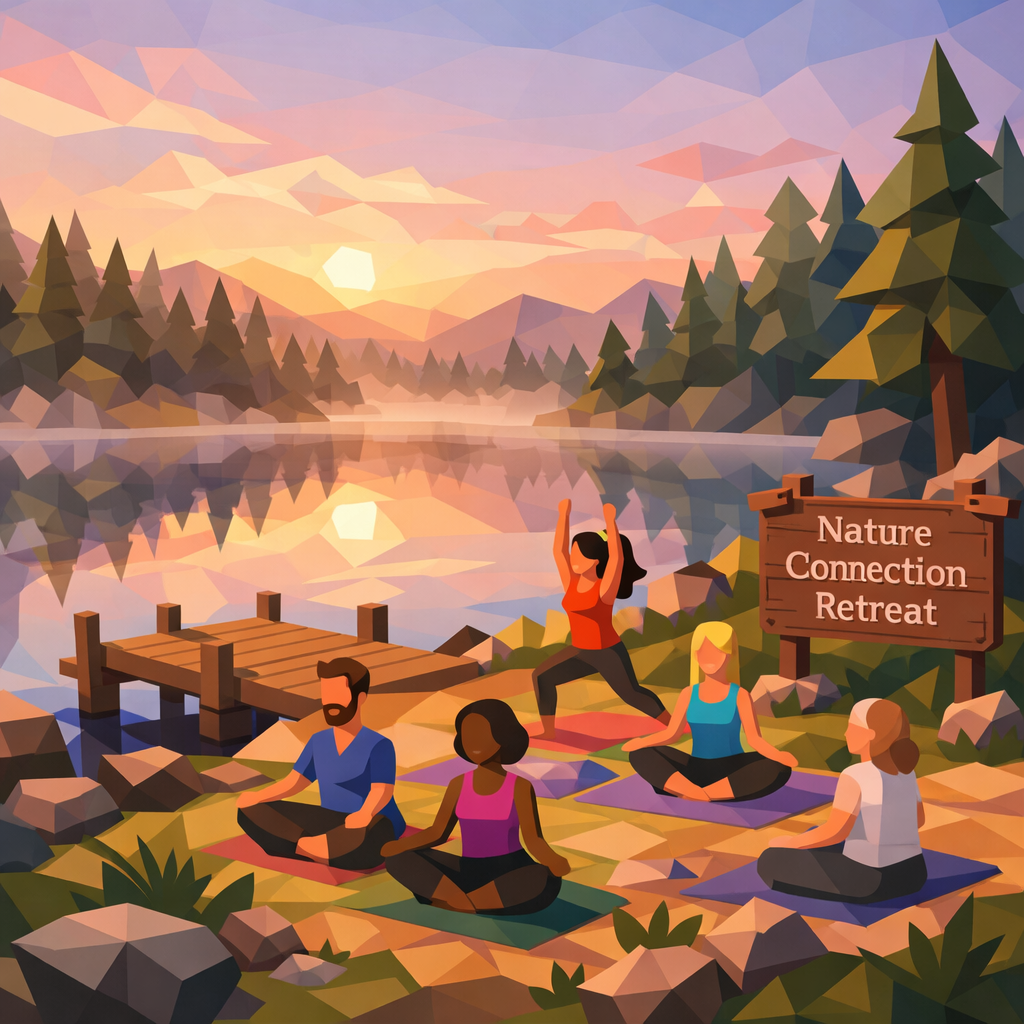
One of the strongest drivers of wellbeing tourism is the growing desire for nature connection. Modern lifestyles are extremely urbanized, screen-based, and overstimulating. As a result, many travelers are searching for environments that help restore calm, and create quiet balance.
Nature-based experiences are particularly effective because they engage multiple dimensions of wellbeing simultaneously:
- Emotional restoration
- Sensory regulation
- Presence
- Reduced cognitive overload
This is why experiences such as forest bathing, slow sensory hiking, dark-sky tourism, coastal retreats, outdoor mindfulness sessions, wild swimming are growing in popularity. This represents a major advantage. Many regions already possess the natural and cultural assets needed for wellbeing tourism. The key challenge is learning how to design and position experiences intentionally around those assets.
How Destinations Can Leverage Wellbeing Tourism
Wellbeing tourism offers a powerful positioning opportunity in an increasingly competitive market. Rather than competing solely on must-dos, nightlife, or peak-season tourism volume, destinations can position themselves around the restorative power of their unique natural environments and locations, geography, weather, seasonal patterns and the creative expertise of their local professionals.
Here is how it helps destinations:
- Differentiate and update their brand identity
- Reduce dependence on mass tourism with diversified products
- Increase off-season demand
- Encourage longer stays and attract new audiences
- Support local small businesses and practitioners
The experiences designed for wellbeing tourism are especially valuable for shoulder and low seasons. Those seeking restoration often prefer quieter periods with fewer crowds and slower rhythms which can create entirely new travel motivations outside peak periods.
However, destinations should avoid trying to replicate identical wellness models seen elsewhere. Authenticity and place-based creativity matters. The strongest wellbeing concepts are rooted in local identity, landscapes, traditions, and community knowledge.
To truly benefit, destinations should invest in education and cross-sector collaboration. Tourism boards, tour operators, wellbeing practitioners and guides all need shared understanding of what high-quality, destination specific wellbeing experiences require.
New Opportunities for Tour Operators
Tour operators are particularly well-positioned to benefit from the changing demand because they already specialize in curating experiences. Adding wellbeing-focused products allows operators to diversify beyond traditional sightseeing itineraries and create journeys that engages the old audiences in new ways. Furthermore, they can attract new audiences too that may not respond to conventional tourism marketing or the standard, existing product portfolio.
When a tour operator looks at their assets from a new perspective, they can immensely diversify their product that allows them to:
- Increase perceived value and stand out from competition
- Extend seasonal demand for new and old customer bases
- Build partnerships with emerging wellbeing professionals
This expands not only the tourism products, but tourism talent itself. Operators who embrace this change of how to collaborate with new experts, how to design and deliver non-traditional tourism offers can position themselves at the intersection of travel, health, lifestyle, and human experience and get ahead of the fast growing demand. However, it needs a new way of education, learning the particularities of how to work with wellbeing experts and non-conventional modalities. Tour operators should be encouraged to be open to new avenues of learning and collaboration even if they have decades of product design experience.
Why Travel Advisors Have a Strategic Role
Travel advisors and agents are also uniquely positioned in this evolving landscape and have an increasingly important role to play.
As consumers become overwhelmed by travel choices and algorithm-driven booking platforms, many travelers are looking for trusted, personalized guidance and more meaningful recommendations. Hence, advisors gain an important role as curators of wellbeing-focused journeys.
This gives agents and advisors new ways to:
- Influence traveler behavior toward more specialized, responsible experiences
- Build deeper client relationships
- Engage audiences with fresh offers and storytelling
- Differentiate from purely transactional booking platforms
- Attract new clients seeking guidance and expertise
- Find new values to “sell” a destination
Wellbeing products also create stronger opportunities for repeat engagement. Unlike traditional “bucket list” travel, wellbeing travel is often ongoing and lifestyle-oriented. Clients may return repeatedly for seasonal retreats, alternative restorative escapes, or new personalized experiences. That creates long-term relationship value.
The Future Potential
The rise of wellbeing tourism signals something larger happening. The growth reflects a broader transformation taking place across the industry.
Because in an increasingly automated and overstimulated world, businesses and experiences that help people reconnect - with nature, with others, and with themselves - may ultimately hold one of the industry’s strongest competitive advantages. Destinations and tourism businesses that recognize the potential early will have an opportunity to create more resilient, differentiated, and future-ready tourism business opportunities.
Beyond the economic and human health benefits, visitors deeply connected to a place may very well become the stewards of the place, nature and the planet. The ultimate profit for us all.
This future potential starts today. Are you ready?
About the Author...
Beáta Szablics is an international expert in tourism product and operations development, and a dedicated advocate and facilitator of various wellbeing disciplines e.g. forest bathing. She has been working to reshape the tourism landscape by embedding principles of holistic well-being and slow, restorative travel into global innovations. She provides critical insight and expertise through trainings, workshops, and consulting for destinations, tour operators, travel agents, tourism SMEs, and schools.