
Inspiring the Outer Banks: How a Community-First Training Approach Makes Tourism Work for Residents and Visitors
Inspiring the Outer Banks: How a Community-First Training Approach Makes Tourism Work for Residents and Visitors
By Stephen Ekstrom, CEO & Cofounder — Learn Tourism
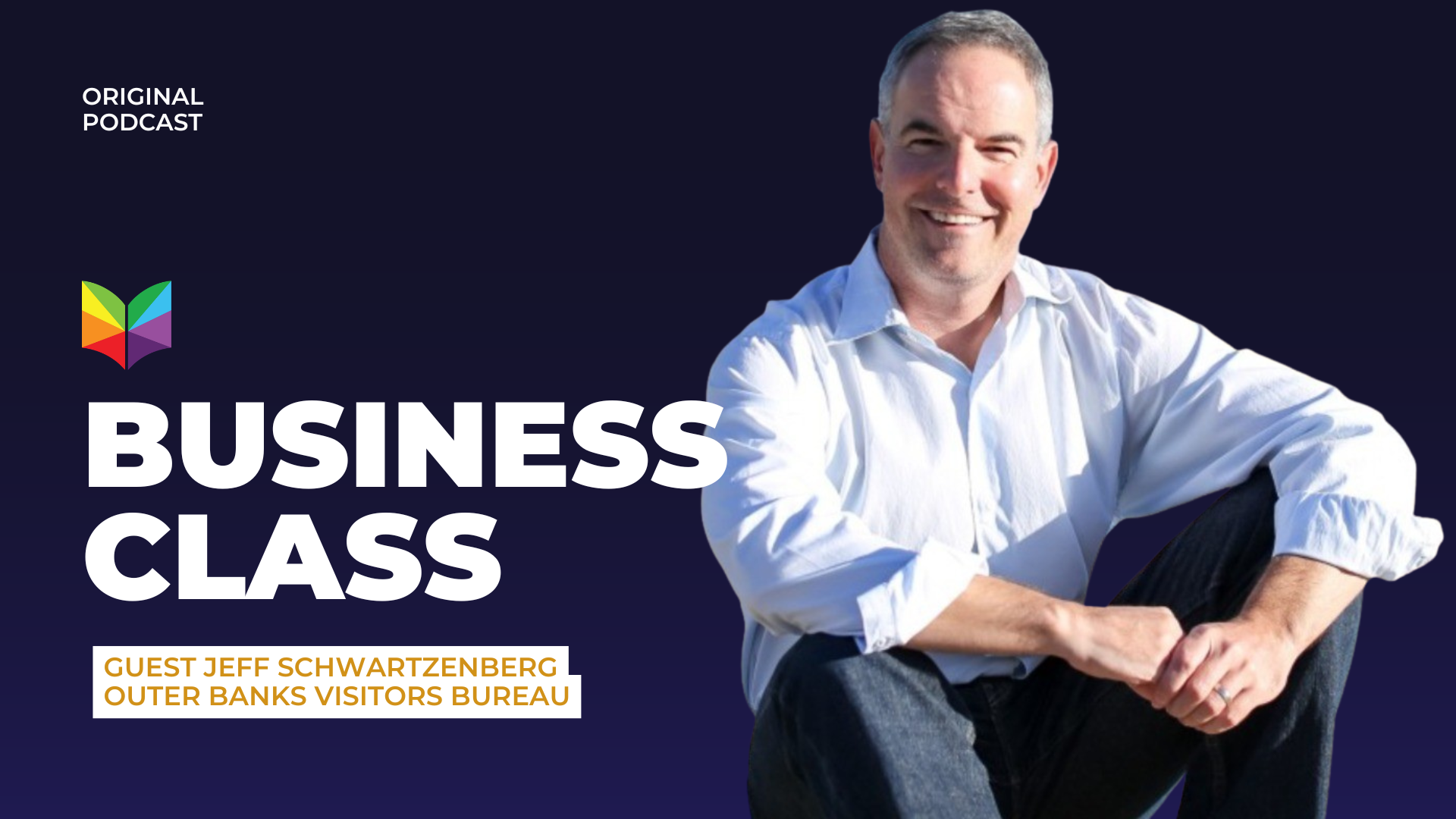
Jeff Schwartzenberg, Community Engagement Manager for the Outer Banks Visitors Bureau, makes a simple but powerful case: tourism succeeds when a destination designs programs that serve residents, second-homeowners, businesses, and visitors together. On the latest Business Class episode, Jeff walks through the Outer Banks’ long-range tourism plan, the community conversations that keep it alive, and practical steps for building a scalable training hub that local partners will actually use.
Why “community-first” isn’t just a slogan
The Outer Banks is a small place with big seasonal swings — roughly 35,000 full-time residents that swell to about 250,000 in peak season — and that dynamic shapes how the destination thinks about tourism. Jeff calls the county “inspiring” not because of branding copy, but because the place’s history, landscape, and civic pride make stewardship possible. When residents feel heard and see the benefits of tourism, they’re far more likely to partner in creating better visitor experiences and long-term resilience.
Make the long-range plan live
Jeff’s role exists so the long-range tourism management plan — a substantial, multi-decade document — doesn’t “sit on a shelf.” The bureau treats the plan as a living roadmap that needs accountability and patience. Practical work, not just lofty goals, keeps the plan relevant: convene stakeholders regularly, surface small wins, and build training that ties directly to the plan’s measures of success.
Stories, pride, and tourism’s human side
Beyond spreadsheets and modules, Jeff’s stories remind us why this work matters. The Outer Banks’ identity — from the Wright brothers to national seashores — gives people reasons to take pride. When residents and businesses see tourism as a shared asset, stewardship becomes a community practice, not just an administrative task. That human element is the glue that helps training stick.
Takeaway: Build training around what people should do, make it modular and hybrid so partners can adopt it easily, and ground every program in ongoing community conversation. The Outer Banks example shows that when a destination treats residents as partners and gives them practical tools, tourism becomes a sustainable advantage for everyone involved.
—
Stephen Ekstrom, CEO & Cofounder, Learn Tourism