
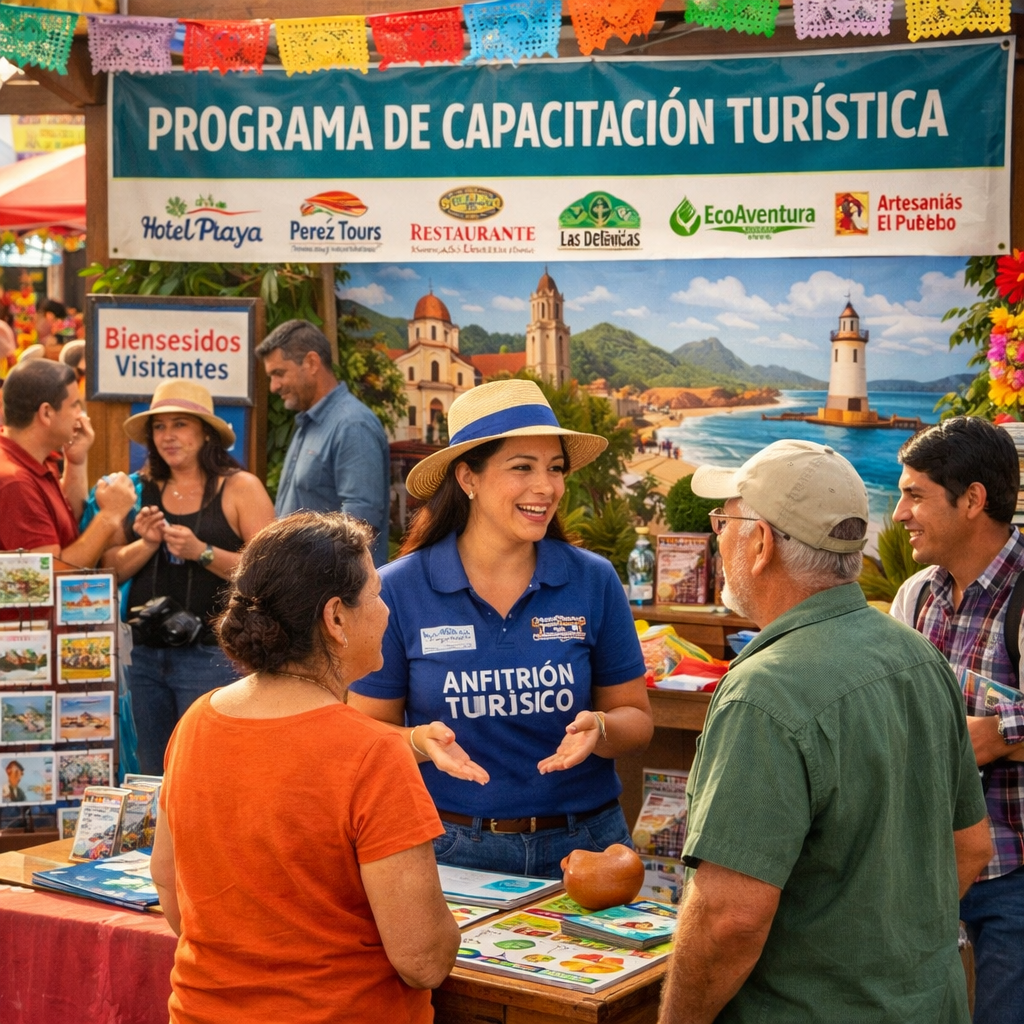
How Destination Marketing Organizations Can Bring in Program Sponsors
How Destination Marketing Organizations Can Bring Local Business Partners in as Program Sponsors
Destination marketing organizations already know that successful tourism training programs depend on community buy-in. Hotels, restaurants, attractions, transportation providers, retailers, chambers, airports, and event venues all benefit when more people understand how to welcome visitors, tell better local stories, and connect guests with meaningful experiences.
That shared benefit creates a powerful opportunity: sponsorship.
A tourism ambassador, tourism training, or a certified tourism learning program does not have to be funded solely by the DMO. Local business partners often want visibility, workforce development, community goodwill, and stronger referral networks. The key is showing them how sponsorship helps them achieve those goals while strengthening the destination as a whole.
Learner feedback from recent destination programs reinforces this value. Participants reported feeling more confident welcoming visitors, discovering new local resources, learning about accessibility, and better understanding tourism’s economic impact.
Step 1: Define the Sponsorship Purpose
Start by identifying what sponsorship will support. Will sponsor dollars help make the program free for participants? Fund video production? Provide incentives? Support scholarships? Create a launch event? Translate the course into multiple languages?
A clear purpose makes the ask easier.
Instead of saying, “We need sponsors,” say:
“Our goal is to train 500 frontline workers, residents, and community champions this year. Sponsorship helps remove cost barriers and gives local businesses meaningful visibility inside a program designed to improve the visitor experience.”
Step 2: Identify the Right Sponsor Categories
Look beyond the obvious tourism partners. Strong sponsor prospects may include:
Hotels and lodging groups
Restaurants and breweries
Attractions and museums
Airports and transportation providers
Banks and credit unions
Healthcare systems
Utility companies
Real estate developers
Universities and colleges
Major employers
Local media companies
Chambers of commerce
Downtown associations
The best sponsors are organizations that benefit from a stronger destination, a better-trained workforce, and a more connected community.
Step 3: Create Sponsorship Tiers
Keep the options simple. Three tiers usually work well.
Presenting Sponsor
Top visibility across the program, launch communications, completion certificates, landing page, and recognition at events.
Community Sponsor
Recognition in selected lessons, email campaigns, social media, and participant communications.
Scholarship Sponsor
Funds access for small businesses, students, seasonal workers, volunteers, or frontline employees.
Avoid overcomplicating the package. Sponsors want clarity, not a scavenger hunt.
Step 4: Connect Sponsorship to Business Outcomes
Sponsors are more likely to say yes when the value is practical.
Position the opportunity around outcomes like:
Better referrals between businesses
More knowledgeable frontline employees
Increased visitor spending
Stronger community pride
Improved customer experience
More exposure to residents and tourism workers
Workforce development
Support for small businesses
Alignment with stewardship and sustainability goals
This is not just logo placement. It is participation in destination-wide capacity building.
Step 5: Build Sponsor Visibility Into the Program
A sponsor should feel naturally integrated, not awkwardly pasted onto the side of the course.
Possible sponsor benefits include:
Logo on the course landing page
Sponsor message in the welcome module
Recognition in launch emails
Social media spotlight
Mention in press release
Branded participant incentive
Sponsored completion celebration
Featured resource link
Recognition in quarterly impact reports
Short sponsor video or quote
Keep the sponsor message educational, community-minded, and brief.
Step 6: Use Data to Make the Case
Sponsors love impact. Before approaching them, prepare a simple one-page sponsor brief with:
Program goals
Target audiences
Expected enrollment
Marketing reach
Course completion goals
Past participant feedback
Partner categories involved
Sponsorship levels
Recognition benefits
Contact information
After launch, report back with:
Enrollment numbers
Completion rates
Participant sectors
Learner feedback
Social media reach
Email engagement
Business partner participation
Stories of community impact
A good sponsorship program does not end with a thank-you email. It ends with proof that their support mattered.
Step 7: Make the First Ask Personal
The best sponsor conversations usually begin with a relationship, not a PDF.
Try this:
“We’re launching a tourism training program to help residents, frontline workers, and business partners better welcome visitors and connect them with local experiences. Your organization plays such an important role in our community, and we’d love to explore whether you’d like to be recognized as a sponsor helping make this program possible.”
Then pause. Let them ask questions.
Step 8: Give Sponsors Something to Rally Around
A sponsorship becomes more exciting when it has a campaign theme.
Examples:
“Train 1,000 Local Champions”
“Powered by Local Pride”
“Better Welcomes Start Here”
“Help Every Visitor Feel Like They Belong”
“Building a More Visitor-Ready Community”
A strong theme gives sponsors language they can share with employees, boards, customers, and the community.
Step 9: Include Sponsors in the Launch
Sponsors should not just write the check. Invite them into the story.
Ask them to:
Share the program with employees
Post about the launch
Encourage partners to enroll
Attend the kickoff
Provide a quote
Offer participant incentives
Celebrate graduates
The more active the sponsor becomes, the more valuable the relationship becomes for everyone.
Step 10: Turn Sponsors Into Long-Term Partners
The biggest opportunity is not the first sponsorship. It is the relationship that follows.
After the program launches, schedule sponsor check-ins. Share learner feedback. Invite ideas. Ask what their employees need next. Explore future modules around customer experience, accessibility, sustainability, tourism marketing, or leadership.
A sponsorship can become a long-term professional development partnership.
Sample Sponsorship Pitch
“Our destination is launching a tourism training program designed to help frontline workers, residents, and community partners better understand the value of tourism, welcome visitors with confidence, and connect people with local businesses and experiences. We’re inviting a small group of local organizations to sponsor the program and help make it accessible to more people across the community. Sponsors will receive visibility throughout the campaign and, more importantly, will be recognized as partners investing in a stronger visitor economy.”
Final Thought
Destination training programs work best when they are community-powered. Sponsorship gives local businesses a way to invest in workforce development, visitor experience, and destination pride while gaining meaningful visibility.
The right sponsors are not just funders. They are champions of the visitor economy.
About Learn Tourism the nonprofit academy...
Learn Tourism is a 501c3 nonprofit organization dedicated to advancing the tourism industry through innovative educational practices and professional development initiatives. Our mission is to harness the power of science, business psychology, and adult education to build sustainable economies and enrich the tourism landscape.