
Thank You, Veterans: How Destinations Can Turn Gratitude Into Great Hospitality
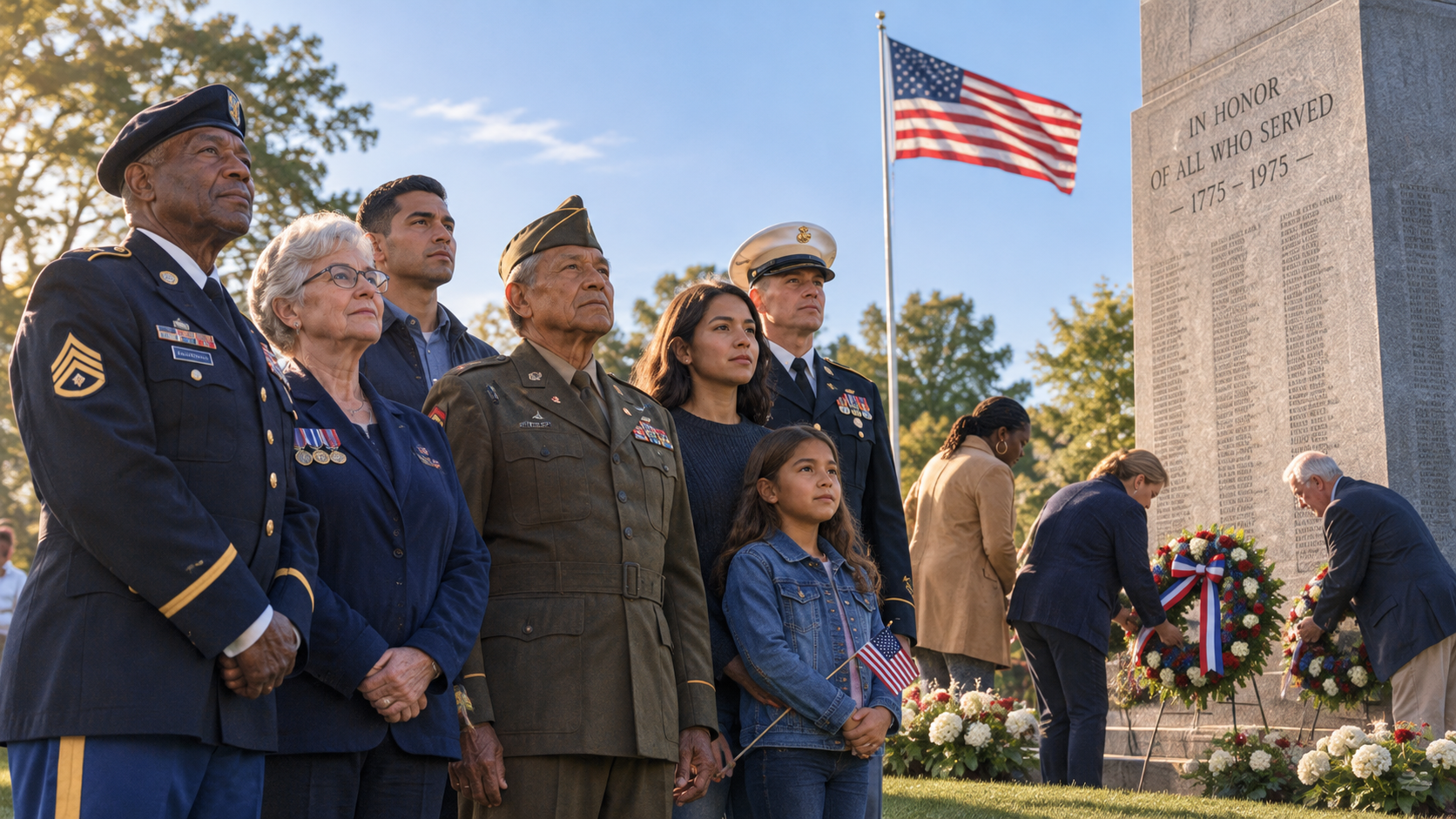
At 11 a.m. on November 11, 1918, the guns of World War I fell silent. That armistice became Armistice Day, and in 1954 the United States renamed it Veterans Day to honor everyone who has served.
So today, before anything else, the Learn Tourism team wants to say it plainly: thank you. To every veteran, every service member, and every military family who carried the weight of that service alongside them. Thank you.
And to the veterans who work in our industry, the ones running front desks, driving tour coaches, leading DMOs, and staffing visitor centers, thank you twice. You bring discipline, calm under pressure, and a mission-first mindset that makes hospitality better every day.
Gratitude matters. But here at Learn Tourism, we're proud tourism nerds who believe gratitude is most powerful when it becomes a practice. So let's talk about what that looks like for destinations.
Veterans Are Already Visiting You
Veteran groups travel. They gather for unit reunions. They make pilgrimages to memorials, battlefields, and museums. Honor Flight programs bring veterans to visit the memorials built in their name. Families travel to retrace a grandparent's service history. Veteran service organizations host conventions, ceremonies, and community events.
These aren't niche visitors. They're groups with deep purpose behind their trip, and they often return to destinations that treat them well. Reunion groups, in particular, tend to talk to each other about where they felt welcomed.
The question isn't whether veteran groups are coming to your destination. It's whether your community is ready for them.
Where Good Intentions Fall Short
Most frontline staff want to do right by veterans. The challenge is that "Thank you for your service" is often where the knowledge ends. Without training, well-meaning people can miss the moment:
- A hotel books a reunion group without asking about mobility needs, then assigns rooms at the end of long hallways.
- A restaurant seats a large veteran group next to a loud, crowded bar area without a second thought.
- A tour guide shares local military history inaccurately, to an audience that lived it.
- A visitor center can't answer basic questions about memorials, cemeteries, or military history sites nearby.
- An event schedules fireworks or loud effects without a heads-up to guests who may find them distressing.
None of these come from a lack of care. They come from a lack of learning. And learning is something destinations can absolutely fix.
Five Ways to Better Serve Veteran Groups
1. Teach the "why" behind the trip
Veteran travel is often emotional. A reunion might be the first time old friends have seen each other in decades, or the last time some of them will. A memorial visit may be a moment of grief, pride, or both.
When frontline staff understand the purpose of a group's visit, they naturally adjust. They slow down. They make room for reflection. They notice when someone needs a quiet moment. Training that starts with empathy, not scripts, gives people the confidence to read the room.
2. Build accessibility into the plan, not the apology
Many veterans live with visible and invisible disabilities, and reunion groups often include older travelers. Accessible hospitality goes beyond ramps. It includes seating options, shorter walking routes, clear signage, quieter spaces, accessible transportation, and staff who know how to ask about needs respectfully, without assumptions.
The best time to address accessibility is when the group books, not when they arrive.
3. Know your own military story
Every community has a military story. Maybe it's a base, a historic battlefield, a monument, a veterans' museum, a national cemetery, or the names on the plaque outside city hall. Your ambassadors, guides, and visitor center staff should know that story, and tell it accurately and respectfully.
This is also a wonderful opportunity for community engagement. Invite local veterans to help shape how your destination tells these stories. They're your best subject matter experts, and they'll often become your proudest ambassadors.
4. Make your destination easy to plan for
Reunion and veteran group planners are frequently volunteers juggling a lot. Destinations and trade associations can make their lives easier with a simple planning resource: veteran-friendly venues, accessible lodging, military history sites, veteran-owned businesses, local VSO contacts, and options for ceremonies or remembrance moments.
If your sales team can speak confidently about all of this, you become a partner, not just a place.
5. See veterans as part of your workforce story, too
Hospitality and tourism need people with leadership, adaptability, and grace under pressure. Veterans and military spouses bring exactly that. Trade associations and DMOs can help members recruit, onboard, and support veteran talent, and help managers understand how military experience translates to tourism roles.
A destination that hires veterans well usually welcomes veteran visitors well, too. The culture carries over.
Why Education Is the Missing Piece
Here's the thing about hospitality: you can't mandate warmth, but you can build the confidence that makes warmth possible.
That's what good education does. When we design learning experiences, we follow our T.E.A. philosophy. Learning should be:
- Transformative: It changes how people see a guest, not just what they say to one.
- Engaging: It uses stories, scenarios, and reflection, not slideshows people click through.
- Accessible: It's available to everyone who touches the visitor experience, from the hotel night auditor to the volunteer at the welcome desk.
For veteran hospitality, that might look like:
- Frontline micro-lessons on serving veteran and military groups with empathy and respect
- Scenario-based practice where staff work through real situations, like a reunion group check-in or a memorial tour that runs long
- Local military history modules built with input from your community's veterans, added to your ambassador or frontline training program
- Sales and services training to help your team confidently pitch and support reunion and veteran group business
- Workforce resources for trade association members who want to recruit and retain veteran talent
The best part? This kind of learning doesn't just help veteran groups. Teaching your community to notice needs, ask good questions, and honor the purpose behind a trip makes every visitor's experience better.
Try This With Your Team This Week
You don't need a full program to start. Bring these three questions to your next staff meeting or partner gathering:
- What is our destination's military story, and could our frontline staff tell it?
- If a 60-person veteran reunion group booked with us tomorrow, what would we need to get right?
- Who in our community, including veterans on our own team, could help us learn?
Listen closely to the answers. They'll show you exactly where to begin.
Gratitude, Put Into Practice
Veterans Day asks us to remember. Hospitality gives us a way to act on that remembering, every single day, with every guest who walks through the door.
To the veterans reading this: thank you. We're grateful for your service, and we're grateful for the many ways you continue to serve your communities, including in tourism.
And to our friends at DMOs and trade associations: let's make sure every veteran who visits our destinations feels it.
At Learn Tourism, we create learning experiences that help destinations welcome every visitor with confidence and care. If you'd like to build veteran-ready training for your frontline staff, ambassadors, or members, let's talk. We'd be honored to help.